Play Blooket Guide: Free Educational Games for Students & Teachers
Unofficial guide — this site is not affiliated with Blooket, Inc. To play, visit the official play.blooket.com.
Learning can sometimes feel boring for students, especially when lessons rely only on traditional teaching methods. Many students enjoy learning more when games, challenges, and interactive activities are part of the lesson. At the same time, teachers often find it difficult to keep their classes interested and choose a platform that makes learning more enjoyable.
Blooket offers a simple solution by combining education with fun games. Commonly pronounced “blue-kit,” Blooket is an interactive learning platform that helps students practice lessons through quizzes, challenges, and game-based activities. It gives teachers a more engaging way to review topics while helping students stay active and involved during the learning process.
Blooket is designed for teachers and students who want to make classroom learning more exciting. Teachers can create their own question sets or use existing ones, start a game, and share a Blooket join code with their students. Students can then join the session through a web browser and answer questions while playing different game modes. The platform includes trivia questions, fast-paced challenges, colorful activities, and interactive games covering many school subjects.
The Blooket dashboard also gives teachers useful tools for creating questions, hosting games, and checking student progress. Whether you want to learn how to play.blooket, how to join a Blooket game, or how to host Blooket as a teacher, the platform is easy to use both in the classroom and at home. In the sections below, we will explain Blooket’s main features and show you how to get the most from the platform.
What Is play.blooket?
Blooket was created by developer Ben Stewart and has grown into one of the most widely used classroom engagement tools in U.S. schools, alongside platforms like Kahoot and Gimkit. Blooket is an online learning platform that makes studying more fun through games and quizzes. Students can practice subjects like math, English, science, and history while earning points and unlocking rewards. Teachers can create question sets and use different game modes to make classroom lessons more interactive.
The main goal of Blooket is to keep students interested while they learn. Instead of using only worksheets or traditional review methods, students answer questions through exciting games and challenges. This mix of learning and friendly competition makes it easier for students to practice difficult topics and stay engaged.
How Does Blooket Work?
Getting started with Blooket is quick and simple for teachers. After creating a free account, teachers can choose an existing question set or make their own based on the lesson they are teaching. They can then select a game mode, start the session, and share a Blooket game code with students. Students enter the code on their devices and join the activity without needing a complicated setup.
What makes Blooket useful is the variety of ways students can practice the same topic. In Cafe, players answer questions while managing a virtual cafe, while Tower of Doom adds battles and characters to the learning activity. Tower Defense gives students a strategy-based way to answer questions and earn progress. These different modes give teachers more options for classroom review and help prevent lessons from feeling repetitive.
Using Blooket comes down to three roles, each with its own simple path:
| Who | What They Do | What They Get |
|---|---|---|
| Students | Join a game with a code | Fast, competitive practice |
| Teachers | Create or host a question set | An engaged, participating class |
| Parents | Support review at home | A low-stress way to reinforce schoolwork |
Teachers sign up for free with an email address (or a Google account), build or select a question set, and choose a game mode. The platform then generates a join code. Students head to the play site, enter that code, and the game begins no accounts required on the student side unless the teacher requests one.
How to play.blooket: Joining a Game
If you’re a student joining a live session, the process takes under a minute:
- Go to play.blooket.com — this is the dedicated play portal, separate from the main Blooket site.
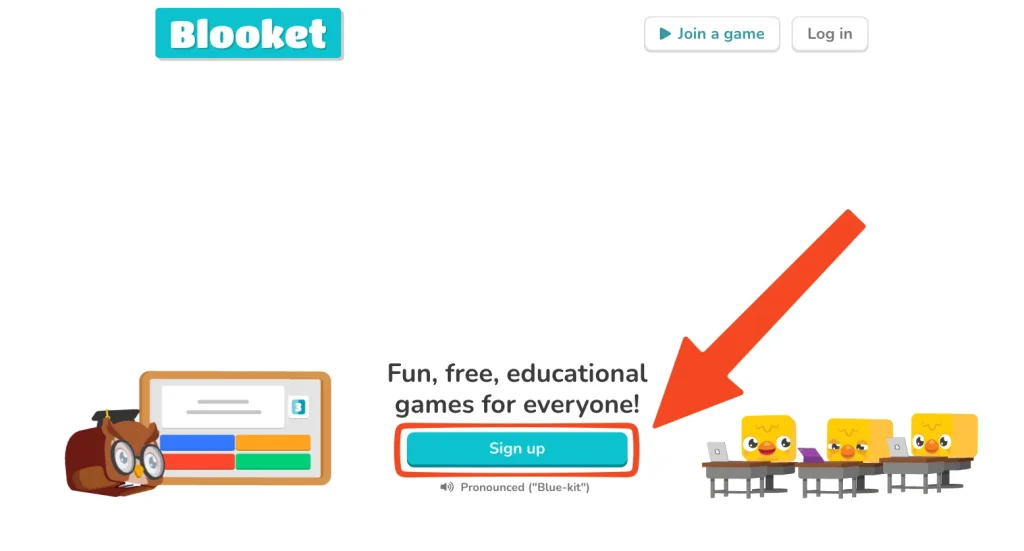
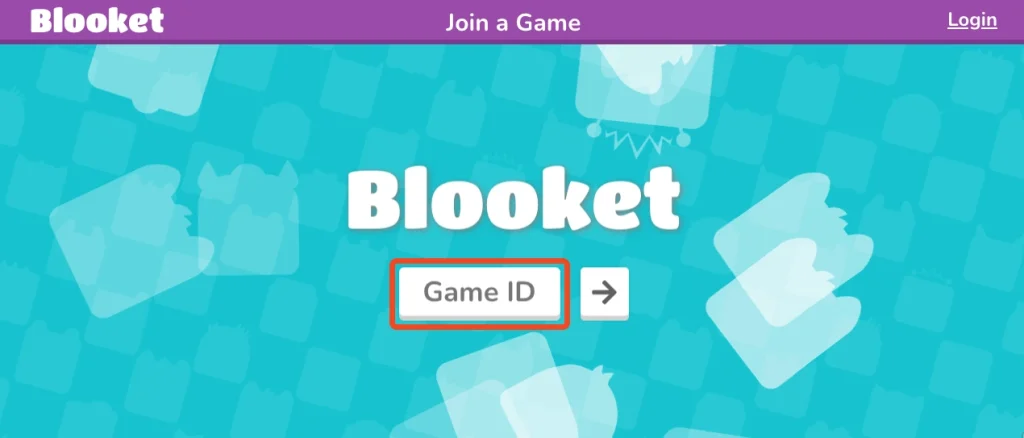
- Enter your game code. Your teacher or host will share a short code (usually six digits) right before the session starts.
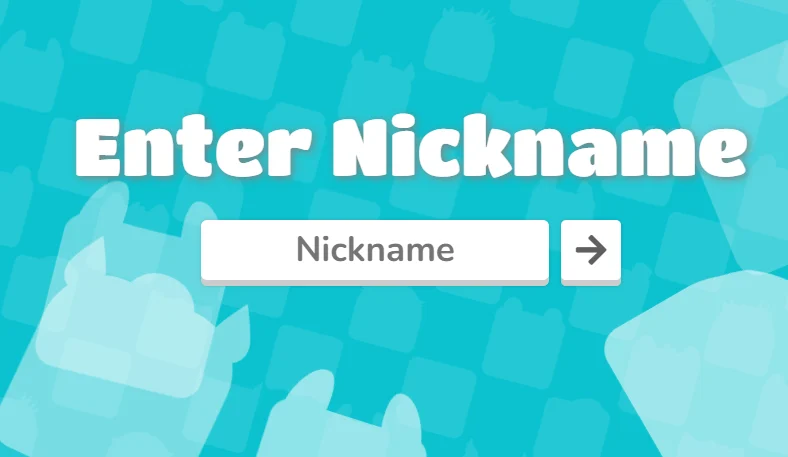
- Pick a nickname and jump in. No login is required to join a game this way.
- Answer questions as they appear. Speed and accuracy both matter, depending on the game mode.
There are a few other ways to get into a game beyond typing a code manually:
- QR code: Some hosts display a QR code instead of a written code. Scan it with your phone camera and you’ll be dropped straight into the join screen.
- Direct link: If your teacher shares a link rather than a code, clicking it takes you straight to the game — just make sure the link actually came from your host before clicking.
Playing solo: Not every Blooket session is live. Teachers can assign question sets as homework or independent practice, which students can complete on their own time without waiting for a group session or, in many cases, without creating an account at all.
How to Host a Blooket Game (For Teachers)
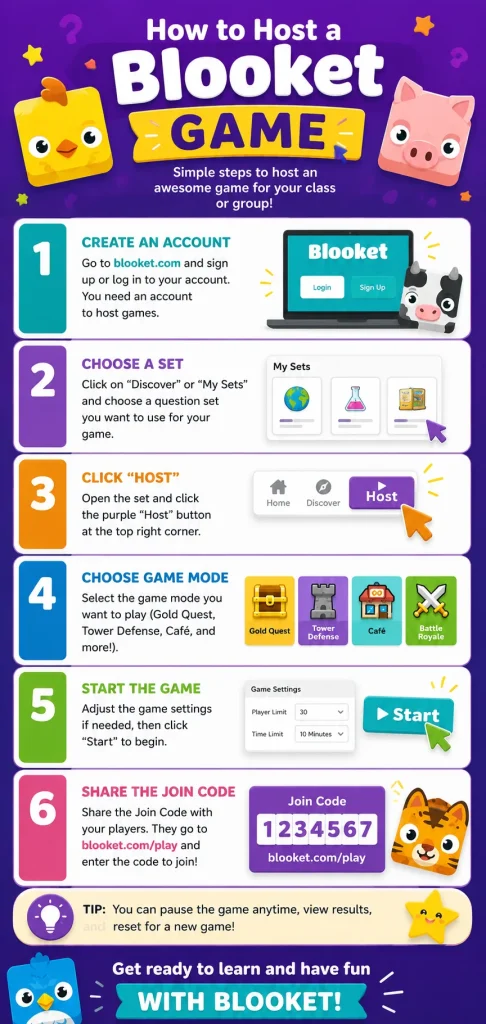
Hosting is where Blooket’s real value shows up. Here’s the process from start to finish:
- Create an account at blooket.com using your email or a Google sign-in.
- Choose a question set. Use one from Blooket’s public library, search for one built by another educator, or build your own from scratch.
- Pick a game mode. Each mode changes how students interact with the questions — some emphasize speed, others strategy or teamwork.
- Launch the game. Blooket generates a join code automatically, which you display or share with your class.
- Monitor live results. As students answer, you can watch participation and accuracy in real time, then review a full report once the game ends.
Teachers can also assign a set as homework instead of running a live game useful for review before a test or for students who miss class.
Logging In and Using Your Dashboard
Once you’ve signed up, logging back in is straightforward: head to the Blooket login page, sign in with your email or Google account, and you’ll land on your dashboard. From there you can access:
- Your question sets — both ones you’ve built and ones you’ve saved from other creators
- Recently hosted games — quick access to relaunch a past session
- Favorites — sets you’ve bookmarked for repeat use
- Discover — a search tool for finding public sets by subject or keyword
Students who create accounts get a simpler version of this dashboard, focused on games they’ve joined and any homework assigned to them.
Blooket Game Modes
Part of what keeps Blooket from feeling repetitive is the range of game modes available. Each one wraps the same underlying questions in a different kind of gameplay:
| Game Mode | How It Works | What It Builds |
|---|---|---|
| Gold Quest | Answer quickly to collect gold and avoid traps | Fast recall under time pressure |
| Tower Defense | Correct answers fund defenses against incoming waves | Strategic thinking |
| Crazy Kingdom | Manage territory while completing question-based tasks | Independent planning |
| Battle Royale | Go head-to-head with classmates on accuracy | Competitive, individual review |
Most teachers rotate between a few favorite modes to keep review sessions feeling fresh rather than repeating the same format every week.
Is Blooket Free to Play?
Yes the core Blooket experience, including joining games, hosting live sessions, and using most game modes, is free for both students and teachers. Blooket also offers an optional paid upgrade (Blooket Plus) with extra customization options, additional game modes, and classroom management features, but it isn’t required to use the platform effectively.
Can You Play Blooket on a Phone?
Yes. Blooket runs in a mobile browser without needing an app, which makes it usable on phones, tablets, Chromebooks, laptops, and desktops alike. For live classroom games, most teachers still recommend a larger screen where possible, simply because reading questions quickly is easier but joining from a phone works fine when that’s the only device available.
Why Teachers and Students Keep Coming Back
A few things explain Blooket’s staying power in classrooms:
- Low barrier to entry — students can join in seconds with just a code, no account needed.
- Genuine engagement — the game-first design means students often ask to play again, rather than needing to be convinced.
- Real feedback for teachers — post-game reports make it easy to spot which concepts a class hasn’t mastered yet.
- Flexible use cases — works for live group review, solo homework, or informal at-home practice.
- Broad subject coverage — math, science, language arts, history, and more are all represented in the public set library.
The trade-offs are minor but worth knowing: Blooket needs a stable internet connection to work well, and because gameplay is genuinely fun, some students can get more focused on the competition than the content something worth managing with pacing and question design.
Pros and Cons of Blooket
A quick look at the main benefits and limitations of using Blooket for learning.
Pros of Blooket
- Fun and interactive learning: Blooket uses games and challenges to keep students interested during lessons.
- Customizable questions: Teachers can create their own question sets or adjust activities to match their lessons.
- Different game modes: Students can enjoy quizzes, vocabulary activities, strategy games, and other game styles.
- Quick feedback: Students can see whether their answers are correct and learn from their mistakes.
- Useful teacher reports: Teachers can review game results to understand how well students know a topic.
- Multiplayer activities: Students can play with classmates, adding teamwork and friendly competition.
- Free option: Blooket provides a free version with useful features for basic classroom activities.
- Easy to join: Students can enter a game with a simple Blooket game code.
- Multiple subjects: Teachers can use Blooket for math, science, English, history, vocabulary, and more.
- More variety: Different game modes help teachers make classroom review less repetitive.
Cons of Blooket
- Limited topic coverage: Some subjects may not have enough ready-made question sets, so teachers may need to create their own.
- Requires internet: Students need a stable internet connection because Blooket works through a web browser.
- Can be distracting: Students may sometimes focus more on winning than understanding the lesson.
- Too much competition: Some students may not enjoy highly competitive activities or public scores.
- Extra screen time: Regular use can add more screen time to the school day.
- Teacher preparation: Creating useful questions and selecting the right game mode can take extra time.
- Scores are not everything: A game score may not always show how well a student understands the topic.
- Paid features: Some advanced Blooket features may require a paid plan.